
NYC Has a Soccer Problem — and the World Cup Can't Fix It Alone
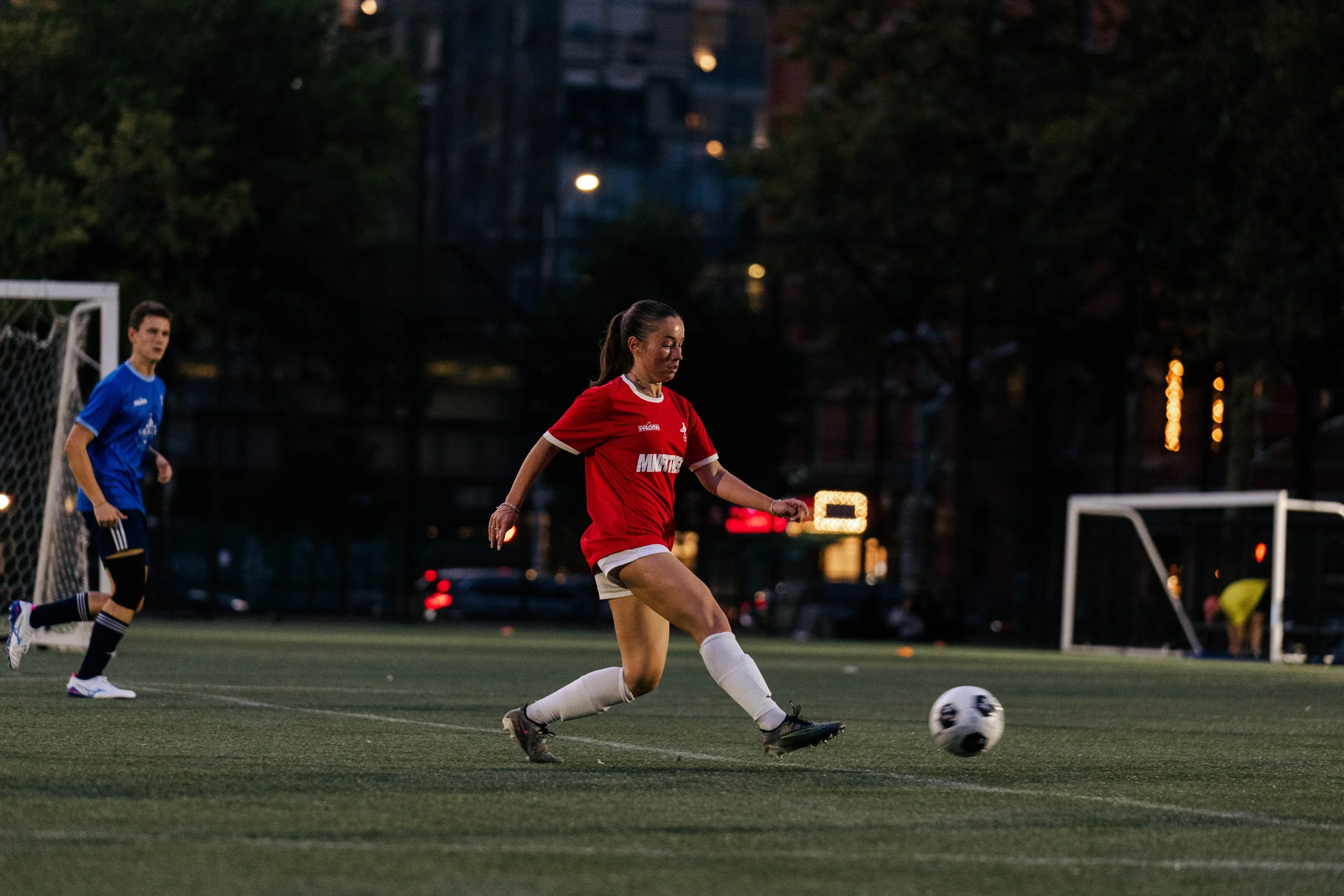
Want more evening matches? We’ve got a game plan in place - and need you on board!
New York City is home to one of the largest recreational soccer communities in the country. So why can't most of its players find a field to play on after dark?
With the World Cup coming to New York City, millions of eyes are about to turn to this city and its relationship with the beautiful game. But beneath the excitement of that moment lies a harder story — one about the tens of thousands of New Yorkers who want to play soccer and simply cannot.
Not because there are no fields. New York already has fields. But because most of them go dark when the sun goes down, thanks to a permitting system built for another era (The Dark Ages, perhaps) that still governs who gets to use them.
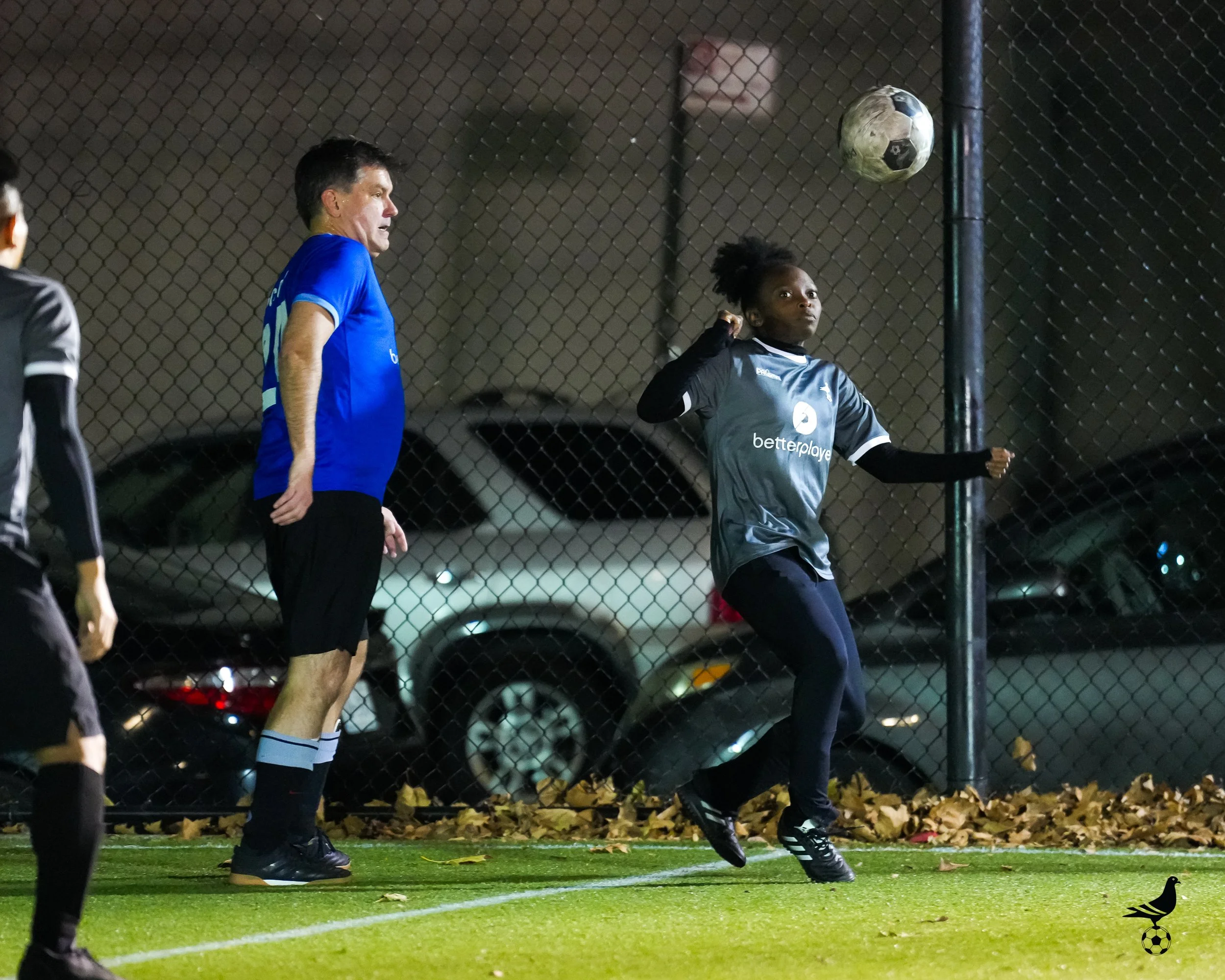
Tanahey Playground is one location where a lighting solution was added - only to be removed.
When the lights go out, the game stops
For working adults, families, and anyone who can't be on a field at noon on a Tuesday, the absence of lighting is not a minor inconvenience. It is a direct barrier to the kind of physical, mental, and social routines that sport makes possible.
The city's permitting framework compounds the problem. Multi-purpose fields are prioritized for baseball and softball in spring and summer — the very seasons when daylight and weather are most favorable. Soccer's priority window is fall and winter, when shorter days and cold sharply limit available hours. This framework may have made sense when it was designed, but it no longer reflects how New Yorkers actually use public space or what they're asking for.
"By the Parks Department's own admission, soccer demand in this city is as much as seven times greater than baseball and softball. Yet the rules and infrastructure still do not reflect that reality."
Fifteen years of showing up — and being ignored
The Footy League has been one of the city's largest park permit holders for years. We have proposed goal donations at numerous fields. We offered to fund temporary lighting. We even secured free permanent lighting from a partner — lighting that was ultimately deployed at non-soccer locations. Two years ago, we helped secure $2 million in funding for lights at St. Vartan Park. As of today, that money has not been put to work.
What's perhaps most striking is this: in fifteen years of building community in New York City parks, Parks Department leadership has never once reached out to ask how they could better support the communities we're building, or what a real partnership might look like.
Not once.
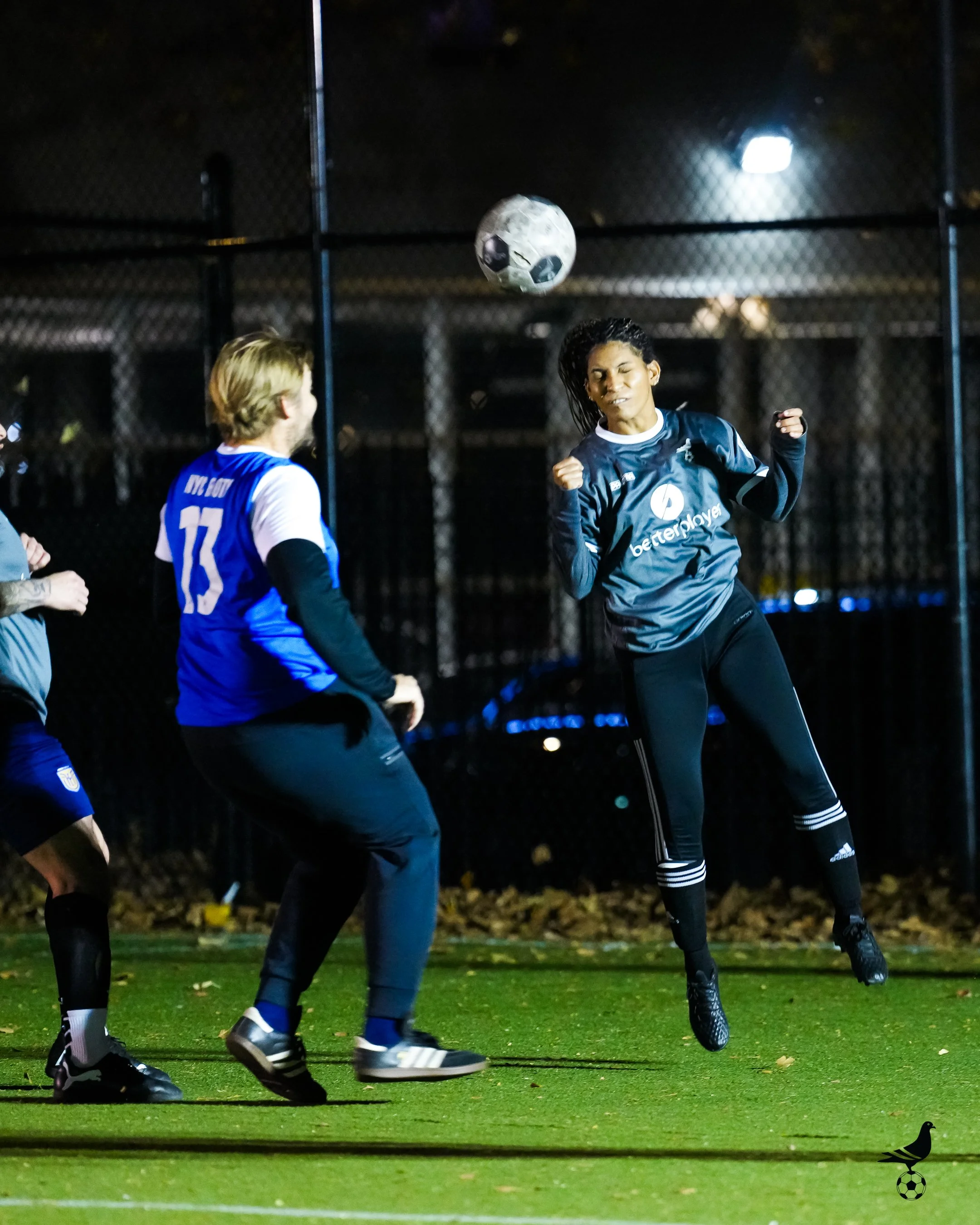
Solutions exist - it’s just a matter of getting into the right headspace
A meeting that wasn't
Earlier this year, years of advocacy appeared to be reaching a turning point. A coalition of supportive council members had been assembled. Commissioner Shimamura had reportedly expressed enthusiasm for a solution. A meeting with Parks Department senior leadership — the most significant in our organization's history — was finally scheduled.
The meeting was set specifically to accommodate the schedules of the Department's Chief Strategy Officer and Chief Marketing Officer. And then, without warning or explanation, they didn't show up.
"When community organizations do years of work, assemble public support, offer private funding, and come to the table with real solutions, Parks Department leadership still does not reliably meet that effort with seriousness."
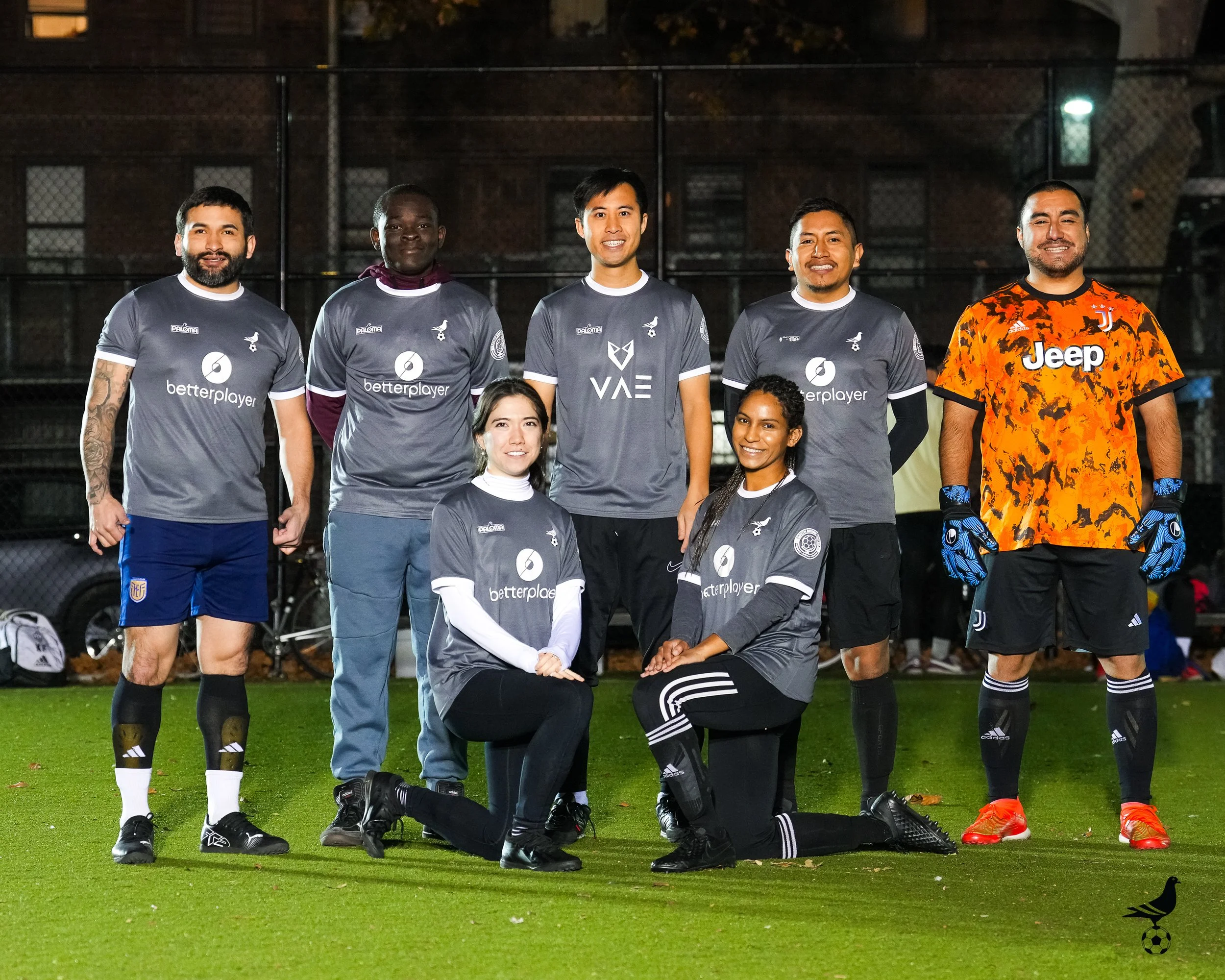
Rally the squad - it’s time to take action.
Where things stand now
The good news: this fight is reaching more ears. We've engaged the offices of Council Members Restler, Hankerson, Marte, Maloney, and Epstein. Council Member Hankerson, who chairs the Parks and Recreation Committee, has been a key ally. And since testifying at a City Council hearing on the World Cup's economic impact, we're now in regular communication with members of Mayor Mamdani's office — a mayor who, notably, is himself a veteran of NYC Footy.
The World Cup is both an opportunity and an obligation. Without lit fields and a modernized permitting system, this city is leaving enormous social and economic value on the table — and failing the hundreds of thousands of New Yorkers for whom soccer is not a spectator sport, but a way of life.
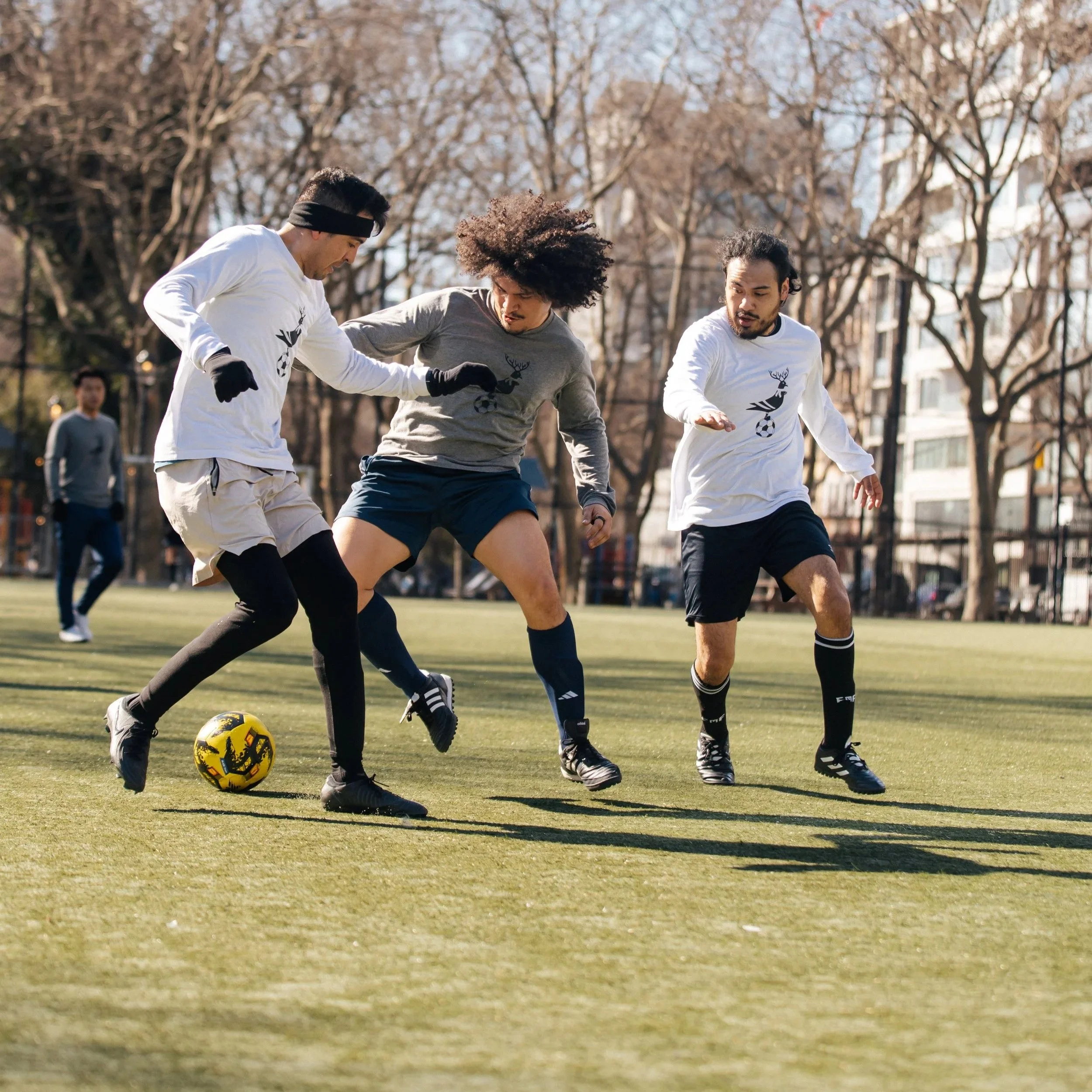
Nike Field is in need of new turf - will you help us advocate for safer playing conditions?
What comes next
We are not asking for special treatment. We are asking for a functional, modern relationship — one where leagues that serve the public are recognized as partners, and where years of good-faith effort are met with genuine engagement.
Soon, we'll be making a formal ask of our community: signatures, voices, and public support. When that moment comes, we hope you'll stand with us.